CEBUCHON
🔥 Fire-Roasted Gastronomy

The Blazing Crispy Heritage of Cebu.

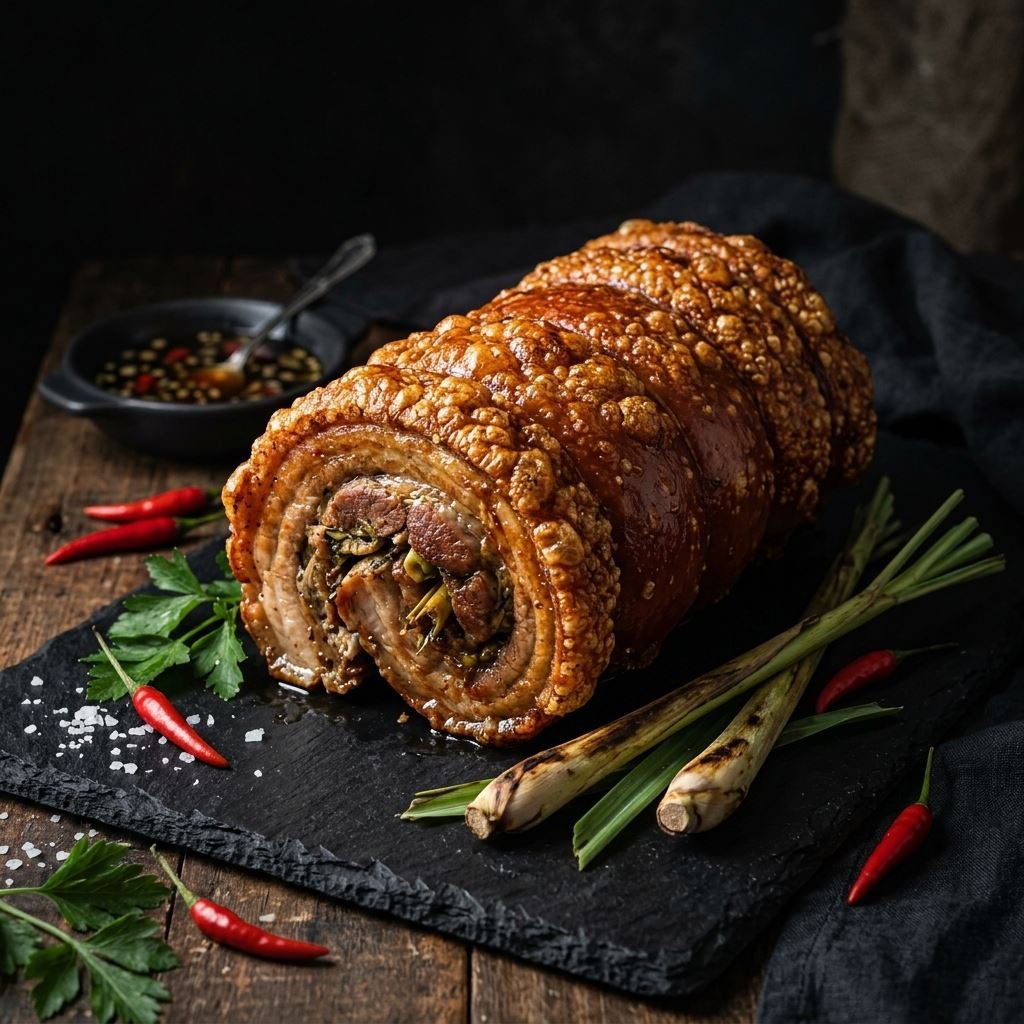
Experience Cebuchon—the ultimate roasted pork belly rolled with heritage aromatics. Crafted for high-heat roasting in ovens or the traditional way of cooking charcoal, yielding an unmatched glass-shattering crackling.

ORGANIC Choice Pig Selection
100% Heritage Wood & Charcoal
24/7 Manila-Wide Delivery
Exquisite roasted golden-brown Cebuchon on obsidian black stone board with lemongrass and chilis
🔥

Intense Heat

Oven or Traditional Charcoal

ADVERTISEMENT

The Soul of Cebuano Fire Roasting

An in-depth culinary discourse on the historical fusion, spice chemistry, and craft of the world's most celebrated roast pork.

A Legacy Forged in Flame

Lechon is the indisputable crown of Filipino culinary gatherings. Originating from the Spanish word lechón (referring originally to a roasted suckling pig), it has evolved in the warm archipelago of the Philippines into a national symbol of joy, family, and abundance. But it was on the historic island of Cebu that this spit-roasted masterpiece reached its absolute zenith.

When legendary chef Anthony Bourdain famously declared Cebu's roasted pig as "the best pig ever," he was acknowledging a profound structural secret. While other regions roast pig as a plain protein to be doused in sweet, liver-based gravy (sarsa), Cebuano pitmasters treat the pig's cavity as an active flavor-infusion chamber.

By stuffing the pig with local lemongrass, native red onions, bundles of garlic cloves, peppercorns, and mineral-rich sea salt, the meat is seasoned internally during hours of slow rotation over open wood and traditional charcoal fires.

Cebuchon: The Rolled Revolution

While a whole Lechon is a grand centerpiece for large municipal fiestas and grand weddings, it is often excessive for intimate family gatherings or premium dinners. Thus emerged the culinary innovation of the 21st century: Cebuchon (a portmanteau of Cebu and Lechon, also referred to as Lechon Belly).

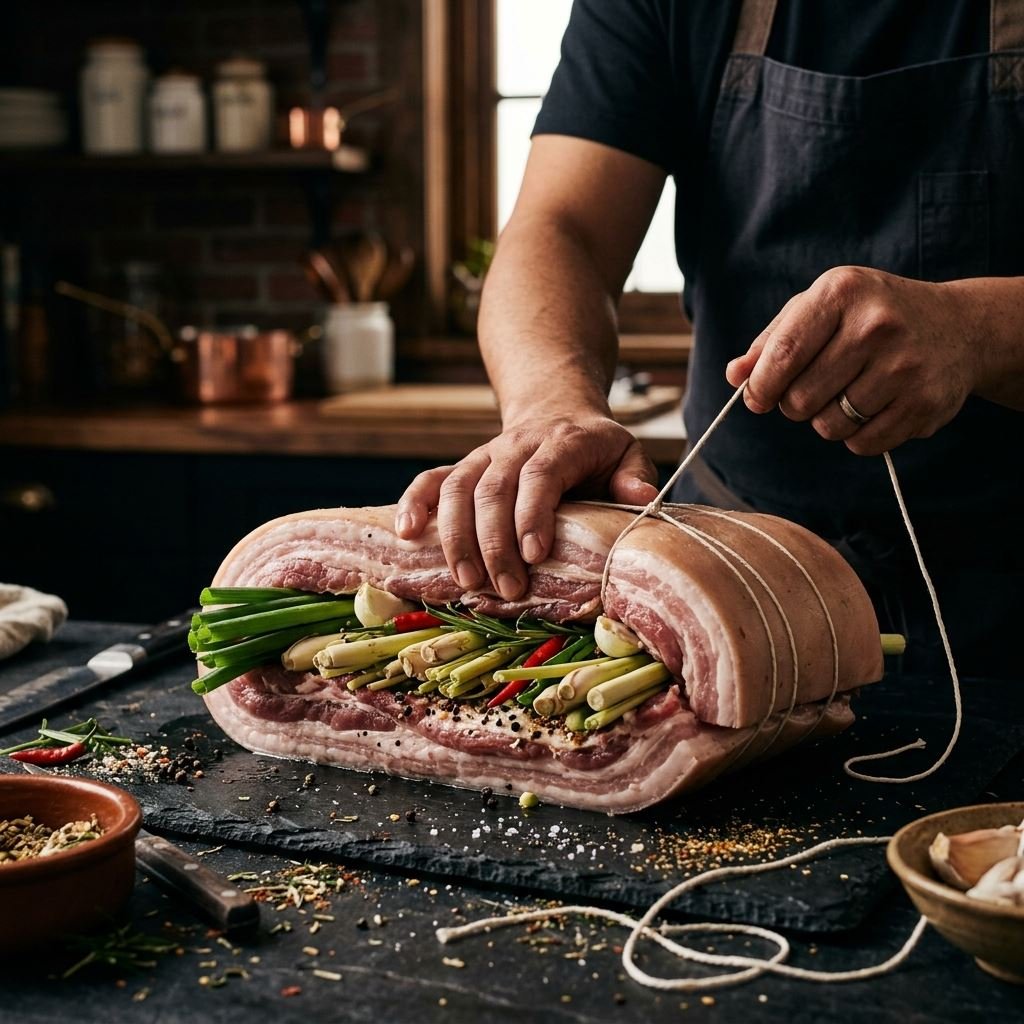
Cebuchon extracts the absolute prime cut of the pig—the center-cut boneless pork belly (liempo). The belly is laid flat, rubbed with crushed garlic and spices, stuffed generously with a dense roll of fresh lemongrass, green onions, and chili, and then tightly rolled and bound with butcher's twine.

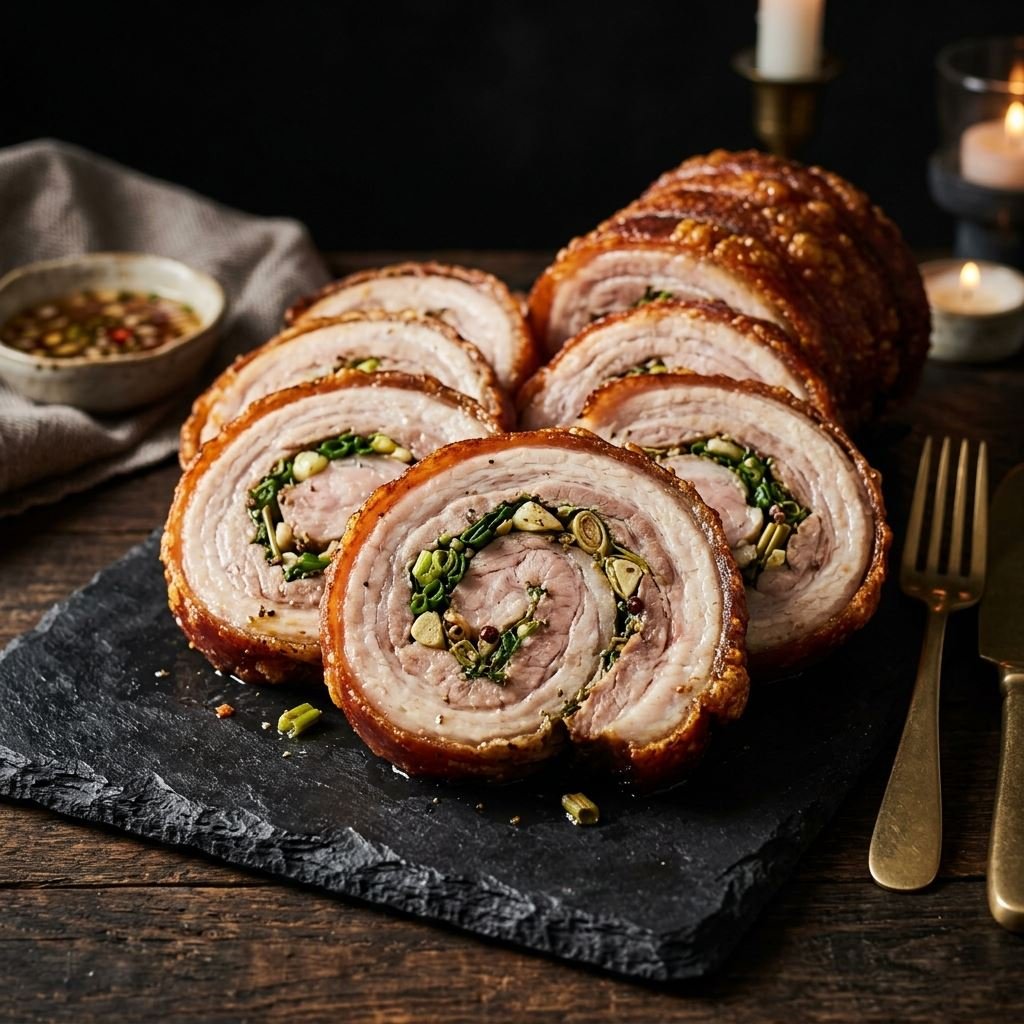
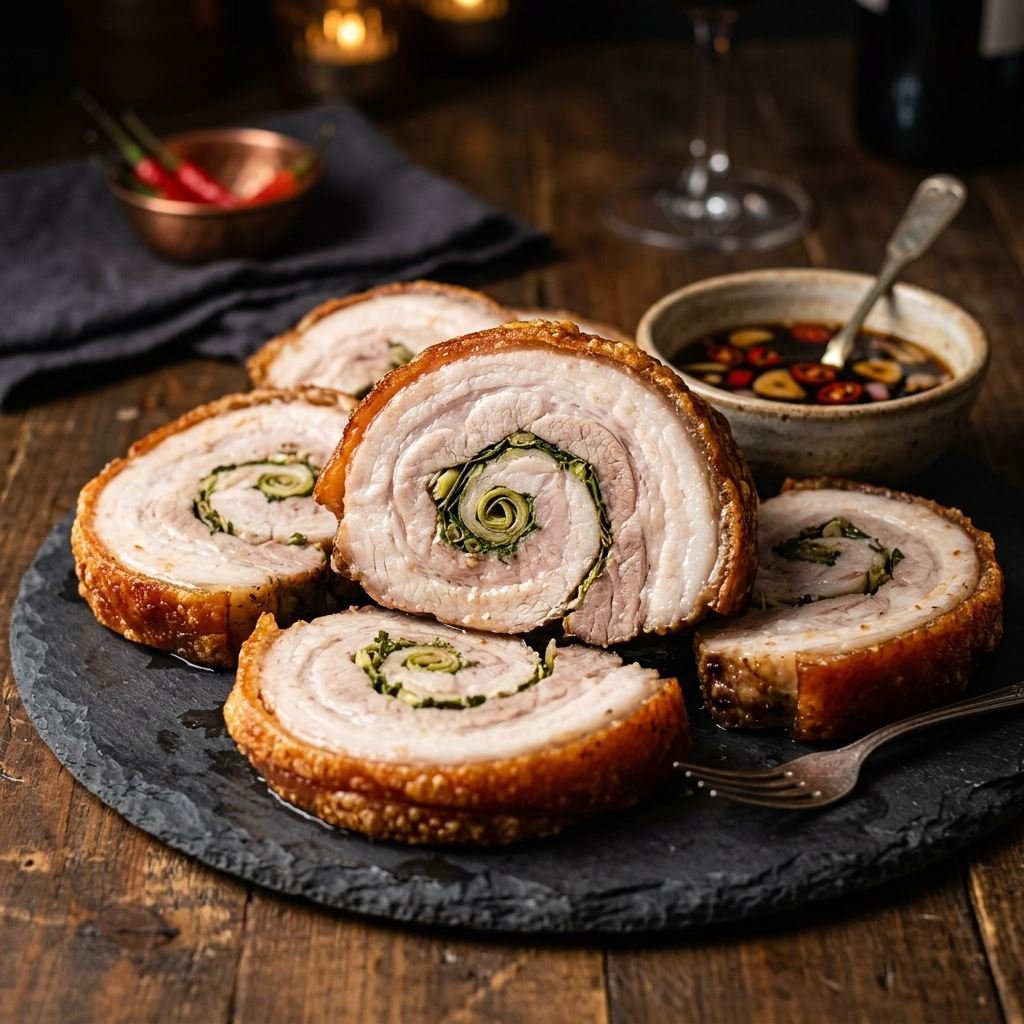
This creates a dense cylinder of pork where every single slice contains the perfect ratio of crispy skin, rendered fat, and highly concentrated herb infusion that seeps through the grain. Cebuchon is uniquely versatile; it can be masterfully roasted using contemporary convection ovens or cooked using the traditional way of cooking charcoal.

ADVERTISEMENT

The Pitmaster's Secrets for the Perfect Cebuchon

Unveiling the professional, closely-guarded steps required to transform an ordinary pork slab into a golden-crown roasted Cebuchon.

I

The Skin Pricking (Docking) Secret

The absolute key to a light, bubbly crackling rather than a hard, tooth-chipping skin is skin pricking. Pitmasters use an array of fine needles or a dedicated docking tool to punch hundreds of tiny, uniform micro-holes across the skin layer. This allows subcutaneous steam to escape freely during roasting, preventing the skin from forming large, tough air bubbles that blister unevenly or remain rubbery.

II

The Dry Chilling Cure

Moisture is the ultimate enemy of a perfect crackling. After stuffing and rolling the belly, it must never be cooked immediately. The rolled Cebuchon must rest uncovered in a cold refrigerator for 12 to 24 hours. The cold, dry air extracts moisture from the skin cells, tightening and drying the epidermis into a parchment-like texture, setting it up for an explosive expansion when hit by the high heat of the oven or charcoal fire.

III

The Acid Rub (The Browning Catalyst)

To achieve a uniform, glistening mahogany color, professional pitmasters lightly brush the dry skin with a thin layer of organic cane vinegar or evaporated milk just before placing it over the heat source. The acid or natural milk sugars react with the heat (Maillard reaction and caramelization), resulting in a beautifully even, deeply golden crust that bubbles perfectly.

IV

Double-Twine Pressure Trussing

Stuffed aromatics can only steam and flavor the meat internally if they are bound under high pressure. Pitmasters use high-tensile culinary twine to bind the roll at strict 1.5-inch intervals, creating a high-pressure seal. This locks in the moisture of the lemongrass, garlic, and scallions, creating a convection steam chamber inside the meat while the outside is exposed to direct dry heat.

🔥 The Secret Ingredient

Authentic Cebuchon seasoning relies heavily on native spring onions (Sibuyas Dahonan) and native garlic (Ahos), which release high-sulfur compounds that fuse chemically with the pork fat under high heat, amplifying natural umami.

ADVERTISEMENT

The Complete Cebuchon Cooking Guide

Follow this precise culinary breakdown to roast Cebuchon using either a domestic kitchen oven or the traditional way of cooking charcoal.

Step 01

Butterfly & Season

Lay a 3kg pork belly flat on a clean cutting board, skin side down. Lightly score the meat in a crosshatch pattern to maximize spice absorption. Rub 3 tablespoons of sea salt, freshly cracked native black peppercorns, and a paste made from 2 whole heads of crushed garlic across the meat surface.

Step 02

Stuff, Roll, & Truss

Create a dense core by packing 8 long stalks of fresh lemongrass (bruised to release oils), 6 whole scallions, and 4 split red chilies along the center of the belly. Roll the belly tightly into a uniform cylinder, ensuring the skin meets perfectly. Securely truss the cylinder using double-twine pressure techniques.

Step 03

Dehydrate the Epidermis

Thoroughly pat the exterior skin dry with paper towels. Prick the skin all over. Place the trussed roll uncovered on a wire rack over a baking tray. Keep it in the refrigerator for 12–24 hours to draw out all moisture. Once dried, lightly brush with vinegar.

Step 04

The Dual-Stage Heat Roast

For Oven Roasting: Preheat to 150°C. Roast the belly for 2.5 hours to slowly render the fat and cook the pork to absolute tenderness. Elevate the heat to 220°C for the final 30 minutes, watching as the skin blister-pops into a crispy glass crown.
For Traditional Charcoal Cooking: Thread onto a spit and rotate slowly high above wood/charcoal embers for 2 hours, then lower closer to the heat for the final 30 minutes to blister.

ADVERTISEMENT

Oven Cooking vs. Open Charcoal Spit

Oven roasting provides impeccable, uniform ambient temperature control, making it highly reliable for ensuring tender, slowly-rendered fat. Traditional charcoal cooking, on the other hand, introduces a deep, unmistakable wood-smoke complexity that clings beautifully to the crispy skin. Both methods are highly respected and produce world-class crackling.

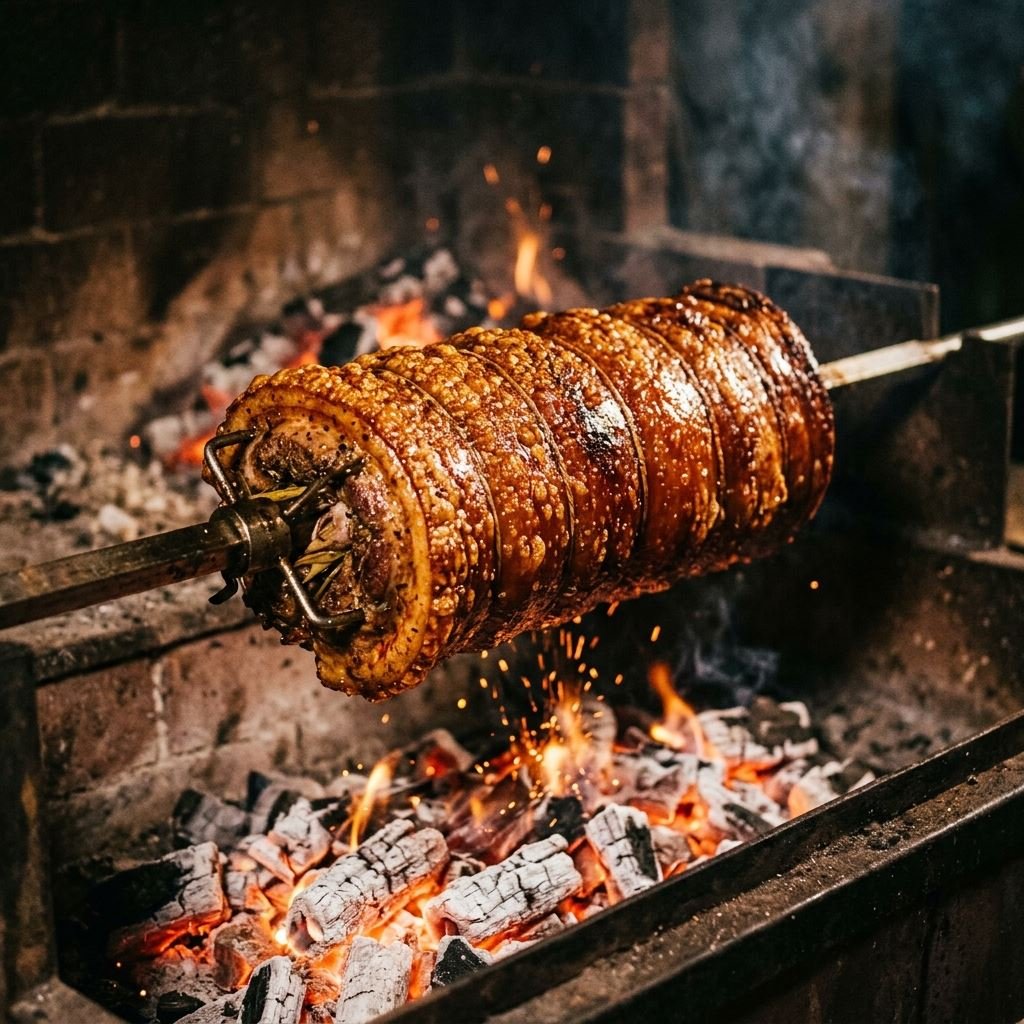
Cebuchon slow roasting in oven with glowing red fire embers
ADVERTISEMENT

Cebuchon vs. Traditional Whole Lechon

Toggle between these roasted legends to discover their unique structural profiles and find the perfect match for your feast.

The Rolled Cebuchon Belly

A culinary marvel optimized for flavor density. Selecting the finest center-cut pork belly, stuffing it with hand-bound local lemongrass and native spices, then slow-rolling it to ensure a uniform layer of crackling skin.

🥩
Primary Cut

Boneless Pork Belly (Liempo)

🌿
Spice Concentration

Maximum (infused directly into every bite)

Skin Thickness

Ultra-Thin & Blistered (uniform crackling)

Ideal Occasions

Family gatherings, intimate feasts, gourmet dinners

Exquisite view of crispy Cebuchon
A full 360-degree cylindrical roast ensuring no cold spots and 100% crispy skin coverage.
ADVERTISEMENT

The Cavity Science: Internal Steaming & Herb Fusions

Slow roasting pork is a profound science of convective airflow and molecular vapor infusing deep into muscle tissue. By butterfly-scoring the belly slab, packing it with tight aromatics, and binding it under high pressure, the cooking environment triggers three critical flavor fusions:

1
Pressure-Truss Convection

Trussing at tight 1.5-inch intervals locks the rolled belly into a high-pressure tube. Heat vaporizes internal juices, creating a localized pressure steam chamber that cooks the core rapidly while keeping fibers exceptionally moist.

2
Citral Lipid Dissolution

At 70°C to 85°C, the intense essential oils and citral compounds of local lemongrass stalks liquefy. These oils dissolve chemically directly into the rendering pork fat layers, permanently flavoring the meat from the inside out.

3
Allisin Heat Transmutation

Under prolonged slow roasting, the high-sulfur allisin in native garlic cloves and spring onions breaks down. Sharp raw heat transmutes into sweet, buttery caramel-like umami notes that permeate every single slice.

Aromatic Vaporization Metrics

Cavity Steam Pressure 95%
Citral Oil Infusion Rate 88%
Allisin Transmutation 100%
Pitmaster Note: Restraining internal moisture during the slow roast is crucial. By keeping steam locked in the core via tight twine trussing, the Cebuchon belly infuses itself fully with aromatics without drying out.
ADVERTISEMENT

The Master Art of Whole Lechon Roasting

Traditional bamboo-spit charcoal roasting methods and the closely guarded secrets of master Cebuano pitmasters.

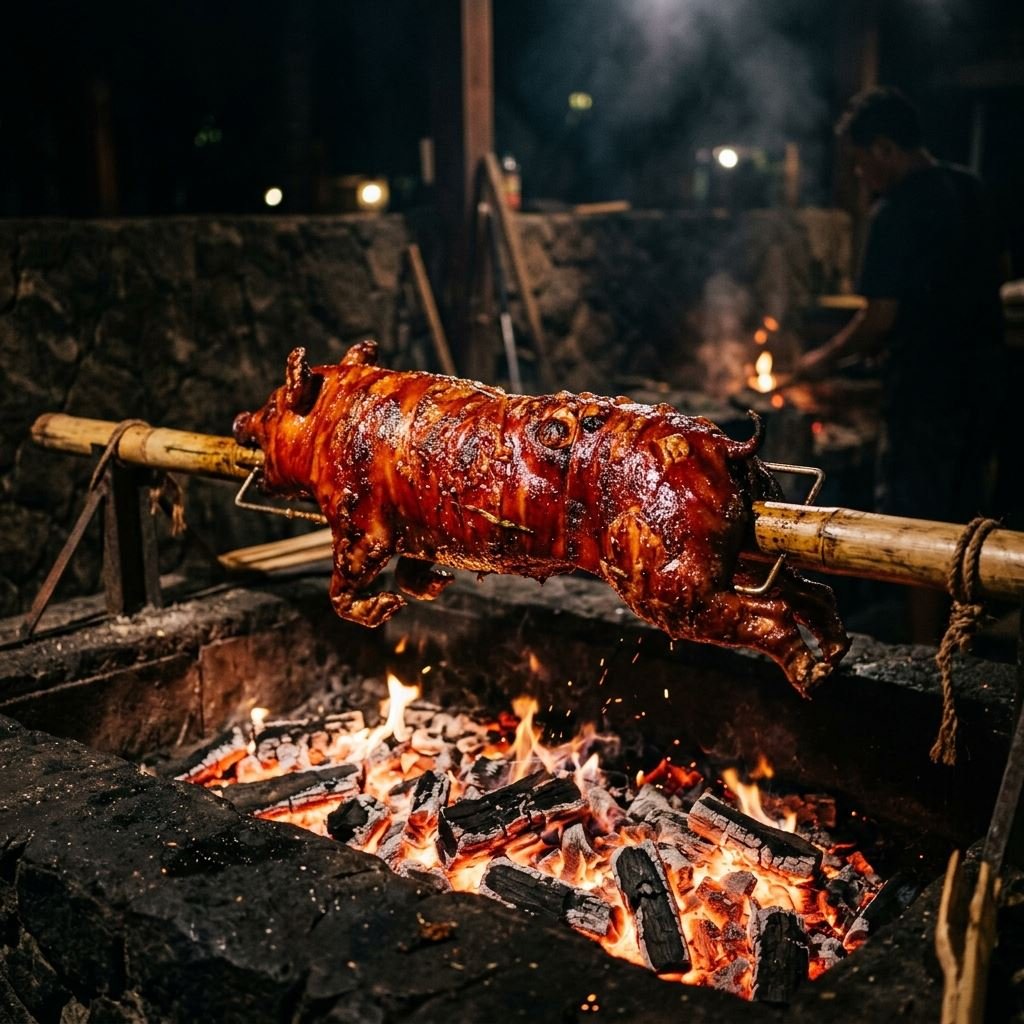
Glistening whole Cebu Lechon roasting over glowing red hot charcoal embers
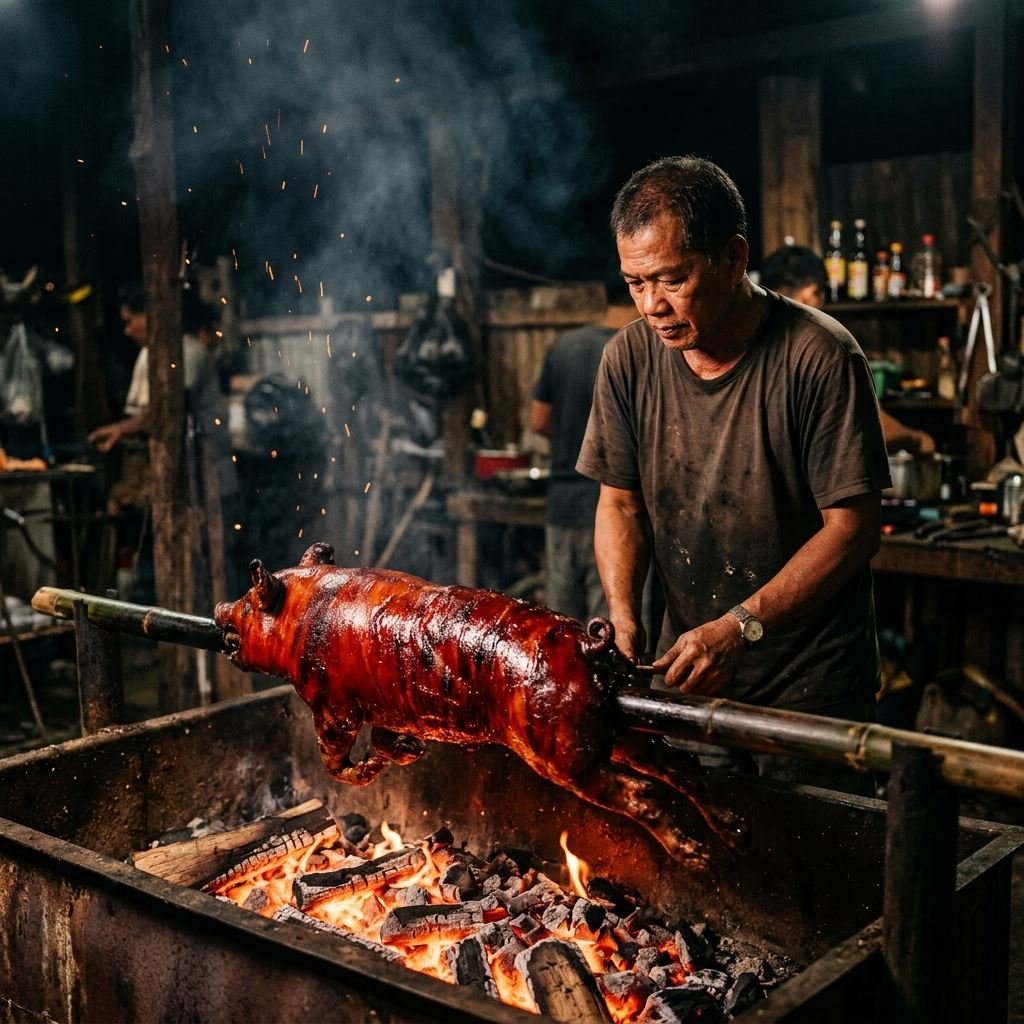
Traditional Filipino master lechonero hand-spinning whole pig spit in charcoal roasting pit
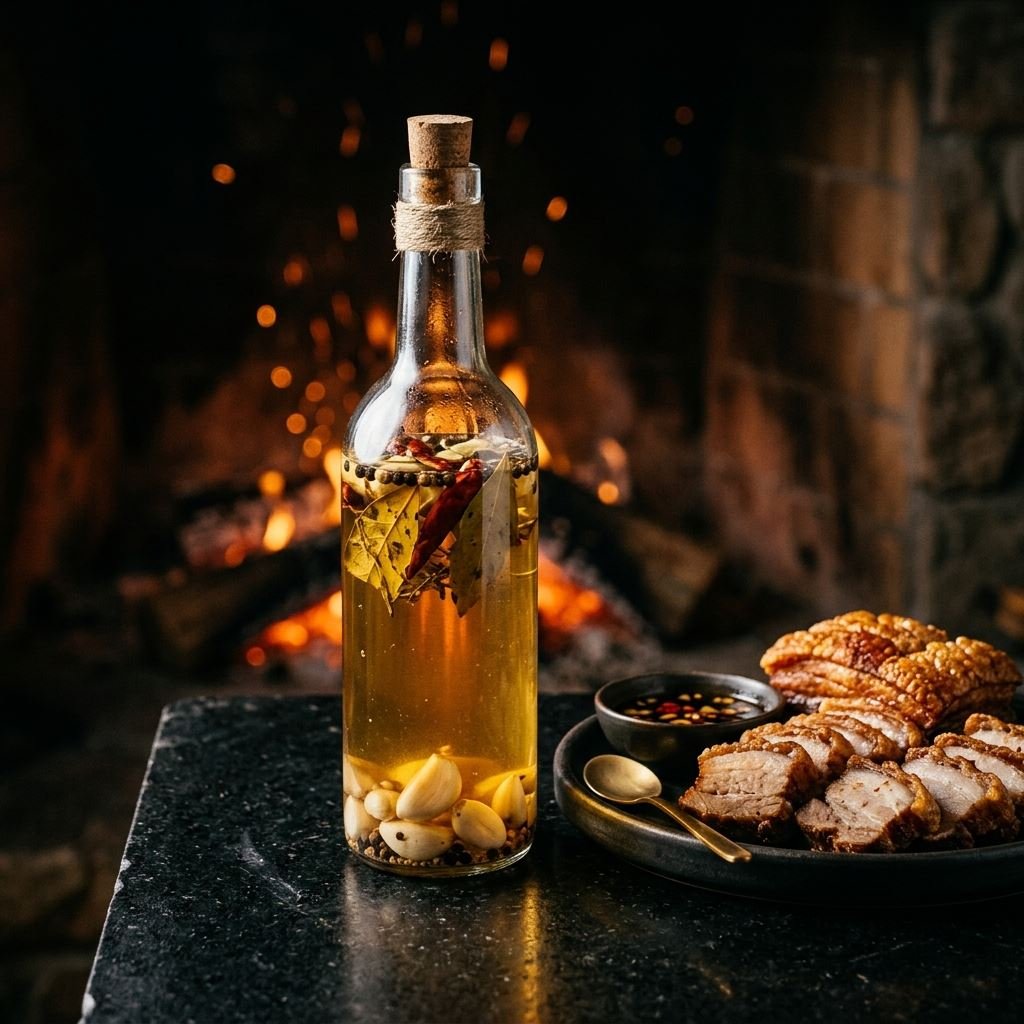
Traditional Cebuano Sinamak Vinegar
TRADITIONAL
Sinamak Vinegar

Whole lechon spit-roasts are historically served with a tangy vinegar infused with garlic, local ginger, and chilies to balance flavor.

Spit Roast

3-5 Hours Rotation

Traditional whole lechon spit-roasting is the absolute summit of Cebuano fire-craft. It is a slow, multi-hour ritual of balancing heat, wood smoke, and continuous rotation to yield exceptionally succulent pork protected by a glistening sheet of blistered mahogany skin.

The roasting process begins with **meticulous cavity preparation**, where the interior is seasoned with sea salt, native red onions, whole garlic, and massive bundles of fresh green lemongrass. The pig is then mounted onto a thick bamboo spit and bound tightly with steel wire to prevent any slippage during hours of manual rotation.

Pitmasters execute a **dual-stage heat roast**: starting high above glowing wood/charcoal embers at a moderate temperature to slowly melt interior fat deposits (lipid rendering) and cook the meat evenly over 3 to 4 hours. Finally, the spit is lowered close to the coals to trigger rapid skin dehydration and thermal blistering, transforming the skin into a glass-like glaze.

🔥
Cavity Lemongrass Infusion

Stuffing with massive bundles of scallions, garlic, onions, and lemongrass steam-flavors the interior ribs and loin.

🔥
Continuous Spit Rotation

Hand-spinning the spit high above glowing wood and charcoal embers ensures perfect heat distribution and locks in moisture.

🔥
Charcoal Heat Mastery

Slow-roasting renders fat, followed by a final intense fire-blast to blister the skin into a uniform mahogany glaze.

ADVERTISEMENT

Frequently Asked Culinary Questions

Clear, direct, and authoritative insights into the science, preparation, and enjoyment of Cebuchon and Lechon.

What is the difference between Cebuchon and traditional whole Lechon?

Traditional Lechon is roasted whole, stuffed with aromatics and spun over charcoal. Cebuchon is a premium boneless pork belly rolled around lemongrass, garlic, onions, and spices, which can be roasted in an oven or over traditional charcoal. While whole Lechon offers diverse textures (ribs, loin, limbs), Cebuchon concentrates these seasoned spices directly into the most succulent cut of pork, ensuring perfect flavor distribution and consistent crispy skin in every slice.

Why do master pitmasters prefer organic whole pigs for lechon?

Master pitmasters prefer carefully selected organic whole pigs because they offer a significantly superior, leaner meat quality and an exceptional, thinner skin that blisters into a glass-like crunch compared to commercial pigs, which carry excessive subcutaneous fat layers that prevent the skin from dehydrating perfectly.

What are the core secrets to achieving the ultimate crispy skin on a Cebuchon?

The core secrets include: 1) Skin docking—punching hundreds of micro-holes with a needle to allow steam to escape; 2) Dry chilling—resting the rolled belly uncovered in a cold refrigerator for 12-24 hours to draw out all moisture; 3) The acid rub—brushing vinegar or evaporated milk on the raw skin to catalyze caramelization; and 4) Precise temperature control—starting with high heat to seal, roasting low to tenderize fat, and finishing with an intense high-heat blast to blister.

How long does it take to spit-roast a whole lechon?

Spit-roasting a whole native lechon takes between 3 to 5 hours of continuous manual rotation over open glowing wood or charcoal embers. Pre-roasting prep, including cleaning, seasoning, and trussing, requires an additional 2 to 3 hours of meticulous pit work.

ADVERTISEMENT
ADVERTISEMENT